What Makes a Dog Harness Worth Buying for Daily Use

A daily harness is health equipment as much as walking gear. It should protect the neck, allow free shoulder movement, and provide handlers with steady control without creating pressure points. Dogs wear it through pavement heat, rain, stairs, car transfers, and quick bathroom trips. A worthwhile choice respects anatomy first, then convenience. Fit, hardware, fabric, and cleaning needs all shape how safely it performs over time.
Fit Comes First
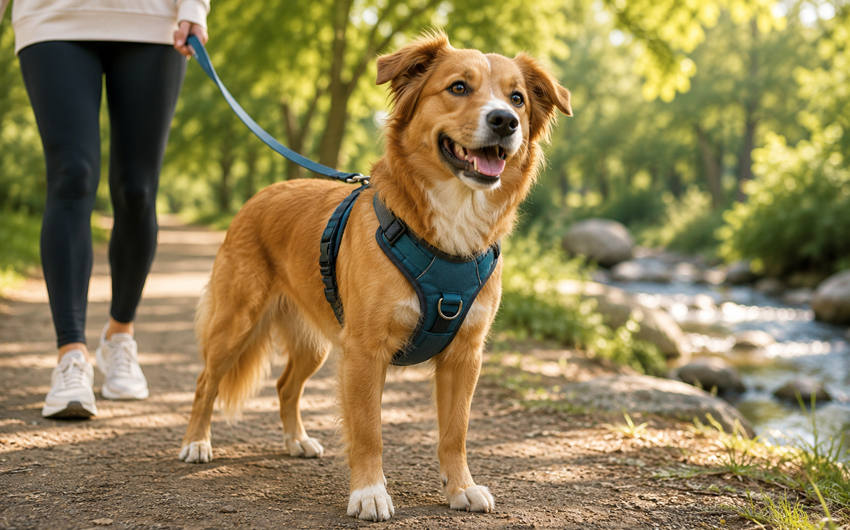
Before purchase, caregivers should assess sternum depth, shoulder clearance, and where leash tension lands during sudden stops. Comparing construction details from reliable resources like https://canadapooch.com/collections/dog-harnesses can help frame those checks against routine walks, wet pavement, and common pulling patterns. A sound fit preserves scapular motion, avoids axillary rubbing, and keeps pressure away from the trachea.
Secure Adjustment Points
Adjustment points decide whether a harness stays therapeutic or becomes irritating. Deep-chested dogs, narrow breeds, and puppies often need separate neck and girth control. Straps should glide smoothly, then hold position under load. Buckles need firm closure without catching skin or coat. After fitting, the chest panel should remain centered during turns, sitting, and mild pulling.
Comfort During Longer Walks
Comfort shows up after twenty minutes, not just during fitting. Soft binding reduces friction near the armpit, where skin can redden quickly. Padding should distribute force across the sternum and ribs instead of concentrating it on one narrow strip. Breathable fabric helps limit heat buildup. A dog should sniff, trot, pause, and climb without guarded movement.
Control Without Neck Strain
A well-placed harness helps spare the cervical spine and throat from leash shock. That matters for small breeds, strong pullers, and dogs that react suddenly to noise. Front and rear leash rings serve different handling goals. The front ring can redirect forward drive. The back ring suits steady walking when manners are already reliable.
Leash Ring Placement
Leash rings should sit in reinforced stitching, not thin fabric. Stable hardware spreads tension more evenly and reduces twisting during quick direction changes.
Easy On And Off
Daily use favors calm, repeatable handling. A harness should not turn every walk into a restraint exercise. Step-in designs may suit dogs who are comfortable with paw handling. Overhead styles can work better for pets that dislike having their legs lifted. Clear buckle placement helps caregivers move with confidence. Faster dressing also lowers stress for nervous or pain-sensitive dogs.
Materials That Handle Routine
Routine wear exposes weak materials quickly. Fabric should resist stretching after damp walks and repeated washing. Stitching needs even tension with no loose loops near load points. Hardware should avoid rust, sharp seams, and brittle plastic. Lightweight construction is useful, but every contact area still needs enough structure to prevent folding into the skin.
Weather And Cleaning
Daily walks bring salt, mud, grass, splashes of urine, and rain. Washable materials reduce odor and bacterial residue. Quick-drying fabric matters for dogs that go outside several times a day. Simple care also helps households with shared walking duties, limited storage, or senior pets that need clean equipment for sensitive skin.
Safety Details Count
Visibility is a practical safety feature, especially at dawn, dusk, or during winter evenings. Reflective trim helps drivers and cyclists recognize movement sooner. Bright colors can make a dog easier to spot in parks or crowded sidewalks. Secure closures reduce escape risk. For anxious pets, close-fitting and dependable buckles are essential.
Match The Dog’s Habits
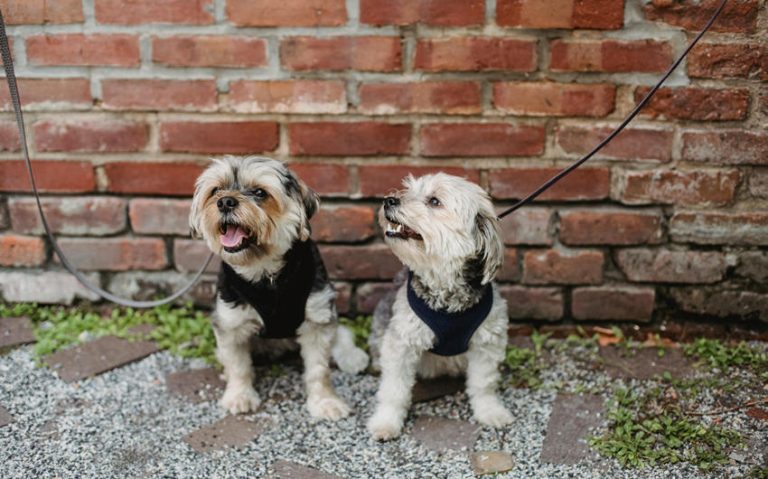
A senior dog may need soft edges, lightweight, and buckles that avoid sore joints. A young puller often benefits from stronger webbing and reinforced leash points. Water-loving dogs need fabric that dries quickly. Small breeds require low bulk around the chest. Matching equipment to behavior prevents friction, strain, and handler frustration.
Value Beyond Price
Price alone says little about daily performance. A cheap harness can be costly if it rubs against the skin, shifts sideways, or fails under pressure. Better value comes from durability, comfort, and predictable handling. Owners should consider wear frequency, cleaning demands, and growth changes. A dependable harness reduces replacement cycles and supports calmer walking habits.
Signs Of A Smart Purchase
A strong choice stays centered, washes easily, and allows normal posture. The dog should stand squarely, breathe comfortably, and move without shortening its stride. Caregivers should feel controlled guidance without constant readjustment. Hardware should remain firm after repeated walks. If those basics hold, the harness deserves a place in your daily routine.
Conclusion
A dog harness worth buying prioritizes comfort over style. It should fit cleanly, direct pressure away from sensitive body areas, and withstand frequent use without irritating the skin. Practical choices account for anatomy, walking behavior, weather, cleaning, and visibility. When those details align, daily outings become safer and less stressful for the dog and for the people holding the leash.