Top 5 LED Inspection Light Brands For Professional Surface Finishing

A surface can look flawless right up until the moment it isn’t. However, a single light pass will reveal scratches that were not noticed in the sanding process. That’s usually when rework starts, deadlines slip, and material costs quietly rise.
This problem is often only discovered at the last step of inspection in many workshops and is therefore the most costly step to correct afterwards.
Typical finishing issues may not be related to a lack of skill. They’re from the lack of visibility.
Lighting at the shop level tends to level out the surfaces and “smooth” any changes in texture that are most critical in the final quality control stages. This creates a false sense of confidence and can result in issues after coating or polishing.
That’s why LED inspection lighting has become a core part of modern surface finishing workflows, especially in woodworking, automotive refinishing, and industrial coating environments.
This article breaks down five widely used brands connected to LED inspection lighting and how each one fits into real production workflows.
1. SurfPrep Dedicated Sanding Inspection Lighting
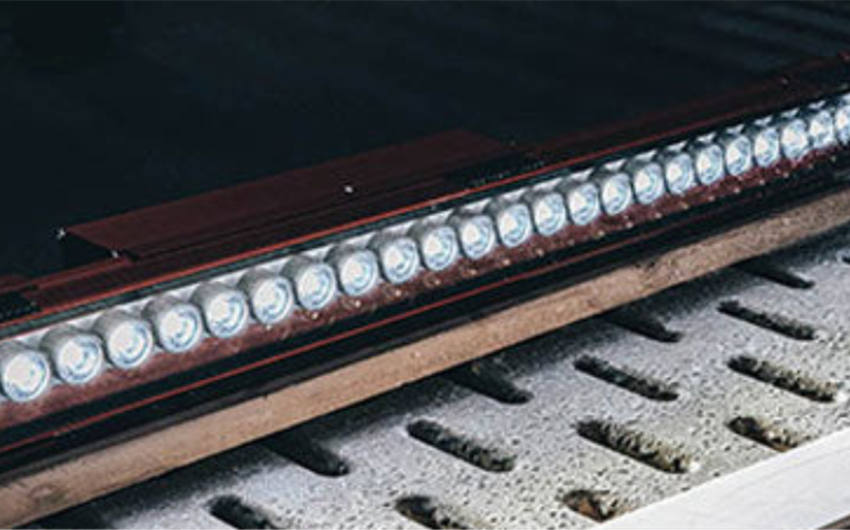
SurfPrep provides an exclusive LED inspection light system, specifically for sanding and surface defect detection. It is designed to fit the workshop setting where quality assurance is done during the sanding, not afterwards. This makes it a practical tool for professionals who need real-time visibility during surface preparation.
The lighting used is low angle, producing a lighting raking effect over the surface. This results in scratches, swirl marks, and sanding patterns becoming more apparent visually even under normal lighting conditions. The controlled angle of light imparts a pronounced sense of texture that would otherwise be overlooked in natural light conditions.
This style of light enhances rapid decision-making in sanding applications. Operators are able to detect problems right away and fix them before advancing to the next grit stage. This helps minimize rework and enhances production consistency in finished output.
Over time, this approach also helps standardize quality control across different users. With a consistently high level of defect visibility, the outcome becomes less a matter of subjective judgment and more a function of the inspection system itself.
2. Festool Integrated Precision Workstation Lighting
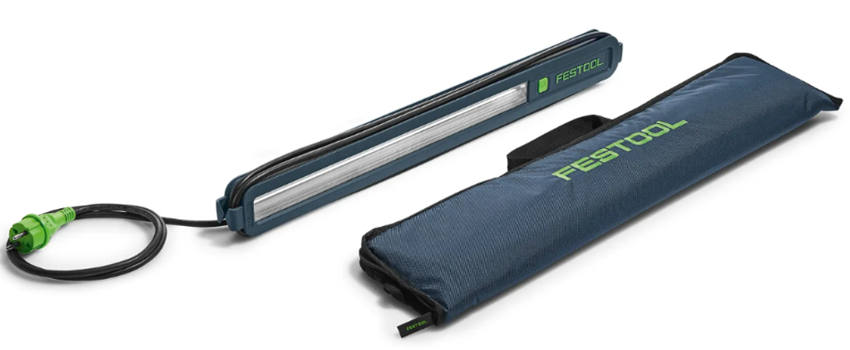
Image source: festoolusa.com
Festool is an integrated precision workstation lighting solution in controlled woodwork and finishing. It is commonly used in specialist finishing stations, carpentry, or cabinetry inspection lighting. This is particularly well suited for a structured production system where consistency is more important than flexibility.
The system is not flexibly designed for mobility. Instead, the operators evaluate surfaces under the same standard light level, eliminating differences between the operator and production setting. This controlled environment enables surface evaluation to remain stable even with big teams or high production volumes.
Further, it promotes ease of repeatability and uniformity of human visual inspection due to common lighting conditions. Therefore, defect detection becomes more predictable and less reliant on individual judgment.
This structured lighting approach also allows for improved process documentation because the lighting conditions for inspections are consistent over time. It facilitates teams in building repeatable quality benchmarks that are easier to sustain over the long haul in production.
3. Unilite Portable LED Inspection Lighting
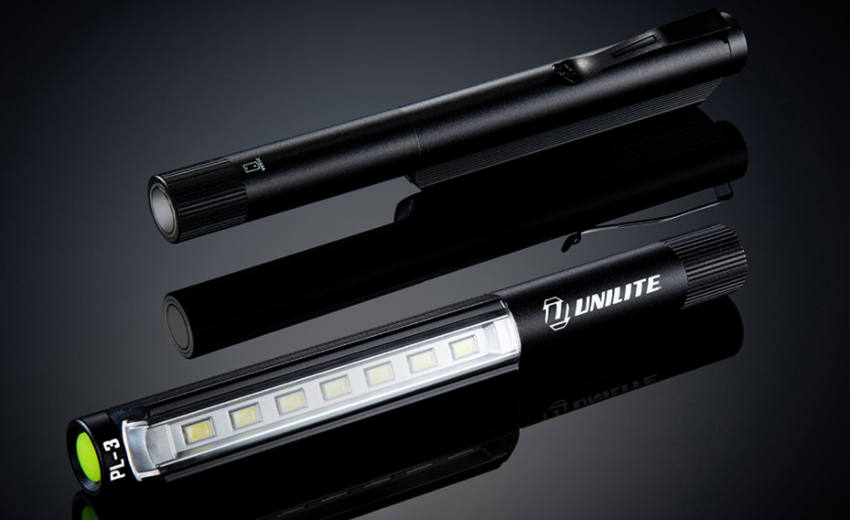
Image source: unilitena.com
Unilite offers portable LED inspection lighting systems for flexible use in workshop, automotive, and field applications. Unilite is not a fixed workstation-based system; instead, it’s all about mobility and adaptability, where inspections happen in the real world.
The lighting tools will be easily movable, enabling operators to examine surfaces from a variety of angles without setting up specific equipment. This versatility is particularly helpful in scenarios such as working on large panels, odd components, or moving repair tasks.
This benefits practical inspection coverage since defects can be revealed from different side angles in real time. Operators can use multiple lighting angles, minimizing opportunities for missed imperfections.
Unlike other models, light output is unmatched in applications with inconsistent lighting requirements or where the light source must move with the operator and not the workstation. This makes it particularly effective for on-the-go inspection scenarios where fixed lighting setups are not practical.
4. Scangrip Professional Inspection Lighting Systems
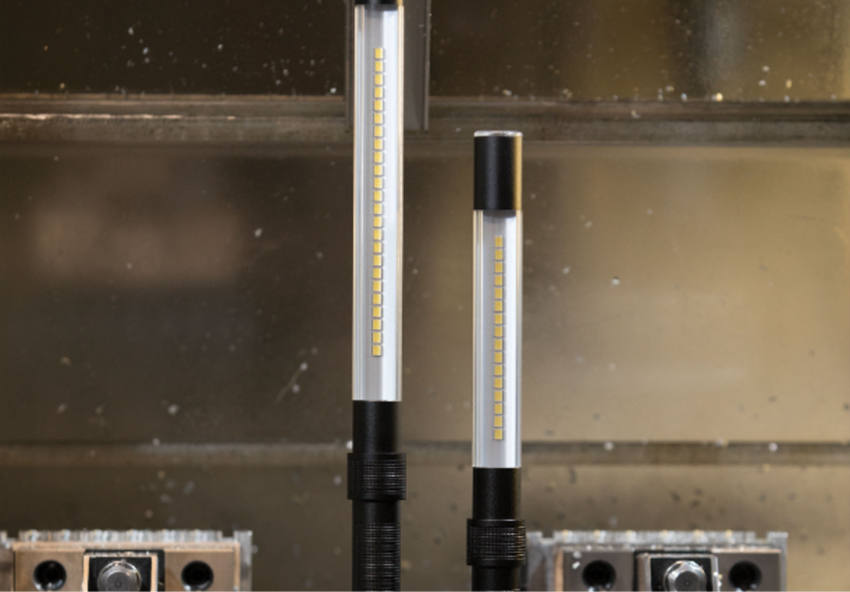
Image source: scangrip.com
Scangrip is a specialist manufacturer of professional LED inspection lighting widely used in automotive refinishing, detailing, and industrial surface evaluation. This makes it one of the most concentrated brands competing in the inspection-grade lighting market.
It has systems that maximize CRI output and controlled beam accuracy, providing a means of identifying defectiveness in coatings, paint finishes, and reflective surfaces in subtle regions. This is especially applicable in precision finishing applications.
Scangrip lighting is often used in controlled inspection zones where accurate color rendering and defect visibility are critical before polishing or coating stages. All lighting is designed to simulate daylight-balanced conditions for uniform evaluation.
Scangrip offers this level of optical control and, consequently, has become a benchmark for professional-quality inspection lighting systems. It is often viewed as the standard for precision inspection lighting in the finishing industry.
5. Milwaukee Tool Jobsite LED Inspection Lighting
Milwaukee Tool produces a wide range of LED work and inspection-style lighting used in construction, automotive repair, and general workshop environments. This positions it strongly within jobsite-focused lighting applications rather than laboratory-grade inspection systems.
While not exclusively a precision inspection lighting brand, its products are widely adopted due to durability, high brightness output, and battery-powered portability. These characteristics make it suitable for fast inspection tasks in demanding environments. This combination makes it especially useful in situations where speed and mobility matter more than optical refinement.
Milwaukee lighting is often used as a supporting inspection tool rather than a dedicated surface analysis system. It helps reveal general defects and surface issues in real time but is less specialized in optical precision compared to Scangrip or SurfPrep systems. This makes it more suitable for preliminary inspection stages rather than final surface validation.
Its strength lies in rugged usability and versatility across jobsite and workshop conditions. This makes it a reliable option for professionals who need consistent lighting performance under physically demanding working environments.
Conclusion
LED inspection lighting plays a critical role in professional surface finishing by revealing defects that are otherwise hidden under standard workshop lighting conditions. This makes it an essential step in achieving consistent quality control across different finishing stages.
SurfPrep and Festool focus on structured inspection environments, Unilite emphasizes portability, Scangrip delivers high-precision optical inspection lighting, and Milwaukee provides durable general-purpose inspection lighting. Each brand addresses a different operational need within real-world finishing workflows.
Across all systems, the underlying principle remains consistent: controlled lighting directly determines how accurately surface defects are detected, and ultimately how consistent the final finish will be. This consistency is what separates acceptable finishes from professional-grade surface results.