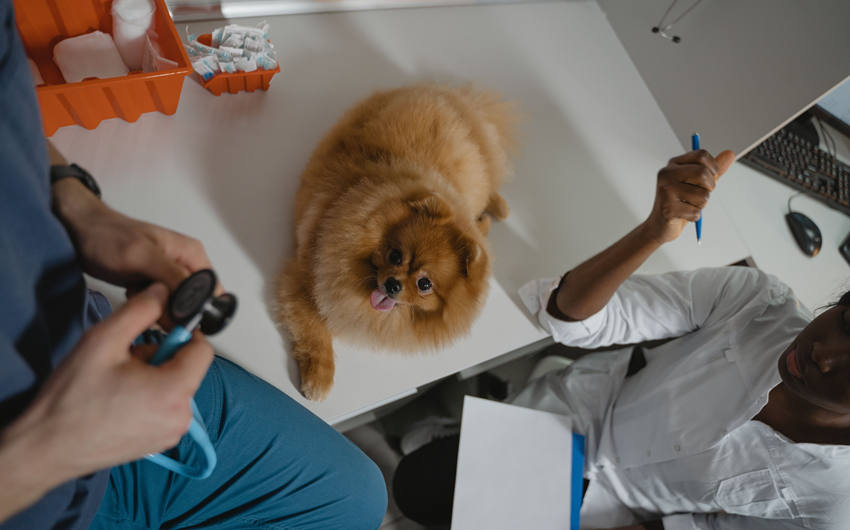
Preparing a Nervous Pet for a Vet Visit: A Calm Approach

Does your dog start shaking the moment you grab the leash?
Or does your cat vanish under the bed when the carrier comes out?
You’re not alone. Most pets fear the vet and that anxiety can make everything more difficult — for pets, pet parents and the veterinary team.
The good news?
Proper preparation can turn an anxiety-ridden journey into a relaxing experience. Learn how below.
Here’s what’s coming:
- Why Pets Get Nervous About Vet Visits
- How To Prepare At Home
- The Car Ride Survival Guide
- What To Do In The Waiting Room
- Calming Techniques For The Exam Room
- After The Visit
Why Pets Get Nervous About Vet Visits
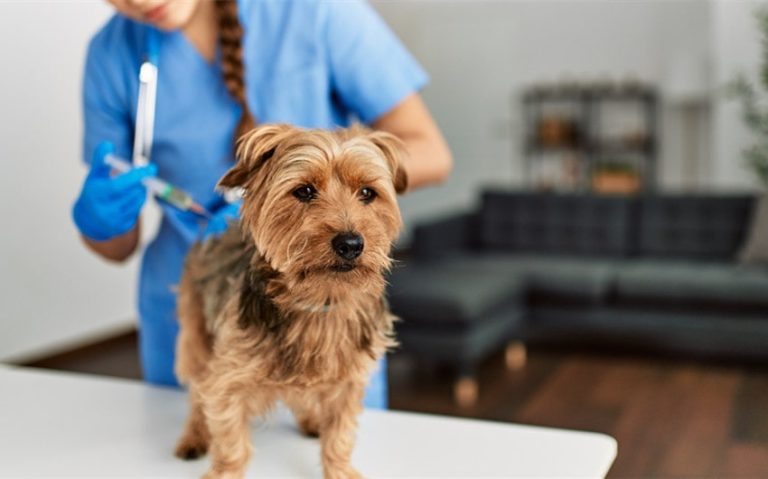
Vet visits can be anxiety inducing for most animals. Studies show that 60% of pets have anxiety and the veterinarian’s office is one of their top fears.
Think about it from your pet’s perspective:
- Strange smells everywhere
- Other animals that are also stressed out
- Unfamiliar people handling them
- Cold metal exam tables
- Loud noises and bright lights
That’s a lot of information for any creature to wrap their head around. The worse experiences they have, the more anxious they will become.
That’s why preparation matters so much.
The clinic itself matters greatly as well. A modern clinic with good walk-in kennels for vets can make all the difference. They allow nervous animals to have a calm, private place to relax before and after their appointment. Seek out clinics that have made the investment in stress-less walk-in kennels — you’ll notice right away how your pet feels.
How To Prepare At Home
Work starts days before you enter the vehicle. A calm vet visit begins days (or even weeks) before the big day.
Get The Carrier Out Early
Don’t pull the carrier out 10 minutes before you leave. That’s a guaranteed disaster.
Rather than forcing your pet into it, leave the carrier out in your house for at least a week prior to your appointment. Place a soft blanket in it. Throw in some treats. Allow your pet to investigate it whenever they feel comfortable.
Especially for cats, this can mean the world. The carrier needs to feel like a safe haven — not a cage.
Practice Handling
Veterinarians will need to feel your pet’s ears, paws, mouth and abdomen. If your pet doesn’t like these areas being touched, the exam won’t be pleasant.
Spend a few minutes each day gently touching these areas:
- Ears (look inside, gently)
- Paws (touch each toe)
- Mouth (lift the lips)
- Belly (light pressure)
Reward with treats every single time.
Try A Practice Run
Visit your clinic for a “happy visit”. A happy visit is when you take your pet to the clinic to say hi and get treats — no exam, no needles. It helps your pet dissociate the clinic from anxiety.
Pretty cool, right?
The Car Ride Survival Guide
It starts with the car ride. The carrier already stresses cats out. Dogs associate the car with fun (the park) or doom (the vet), often before you back out of your driveway.
Here’s how to make the ride easier:
- Clamp down on the carrier: Seatbelt it so it won’t move around. Movement causes stress.
- Cover it: Place a light towel over the carrier. The less they see, the less anxiety they will feel.
- Drive calmly: No sharp turns, sudden braking or loud music.
- Crack a window: Fresh air helps with nausea.
- Avoid food: Don’t feed your pet 2-3 hours before travelling. They can get car sick.
Ask your vet about calming sprays or pheromone wipes that you can use on the inside of your pet’s carrier prior to leaving if they are extremely anxious.
What To Do In The Waiting Room
The waiting room is where most animals completely freak out. Strange animals, people and smells — it’s too much.
Here’s what to do the moment you walk in:
- Ask if there’s a quiet area you can wait in
- Keep the carrier on a chair or your lap (NOT the floor)
- Avoid eye contact with other pets
- Keep your dog on a short leash and close to you
Clinics these days are offering separate cat and dog waiting rooms. If yours does, great! Utilise that service. If not, politely ask if it’s possible to wait in the car and have the receptionist call you when the vet is ready.
This one small change can make a huge difference for nervous pets.
Calming Techniques For The Exam Room
When you get in the exam room your task is to relax. Animals can sense how you are feeling. If you’re nervous they will be nervous.
Do these things:
- Keep your voice low and steady
- Bring your pet’s favourite blanket or toy
- Pack high-value treats like chicken or cheese
- Stay close so they can see and smell you
Avoid these things:
- Yelling or scolding
- Forcing your pet onto the table
- Apologising in a high-pitched voice
If your pet is becoming extremely stressed, ask the vet to pause for 30 seconds. This moment of silence can prevent stress from escalating.
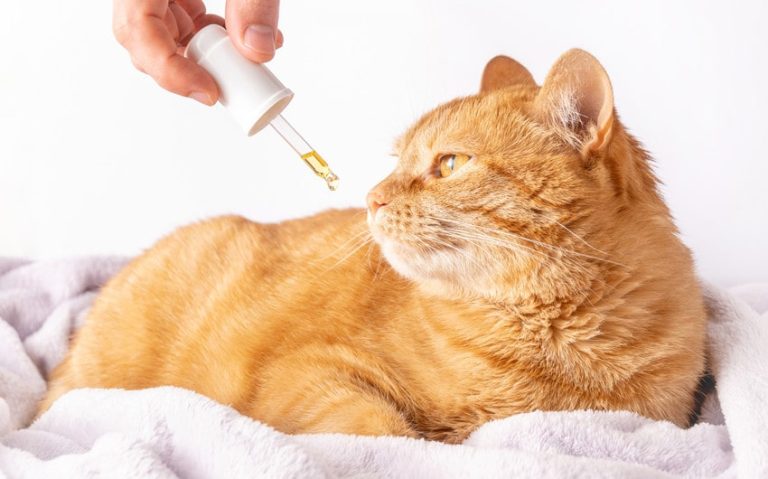
If your pet is extremely fearful, medication beforehand may be helpful. In fact, 22% of owners avoid visits when they associate them with anxiety — which can negatively impact a pet’s long-term health.
Don’t be embarrassed to ask about anxiety options. Your vet has heard it all before.
Ask if the clinic has quiet kennels where your pet can relax after the exam. These walk-in spaces give pets a moment to calm down before the drive home.
After The Visit
The ride home is important as well. Your pet just went through a stressful event and they need to relax.
Once you’re home:
- Give them space and quiet
- Offer water and a small meal
- Don’t force interaction
- Reward calm behaviour with treats
If you have more than one pet in your house, isolate your patient from the others for several hours. Other animals tend to react strangely to the smell of the vet.
Most importantly, never let your pet end their day on a stressful note. Playing for just a few minutes, a favourite treat or even some quiet snuggles can help your pet unwind.
Final Thoughts
Vet visits don’t have to be a nightmare.
With preparation, the right clinic and you keeping calm, even the most nervous pet can master veterinary appointments.
To quickly recap:
- Prepare the carrier and practice handling well in advance
- Make the car ride as smooth and quiet as possible
- Choose clinics that prioritise low-stress facilities
- Stay calm in the waiting room and exam room
- Decompress properly after the visit
Your pet looks to you for reassurance. When you take the time to prepare ahead of time, you prove to them that the veterinarian isn’t a scary place. Soon there will be no fear — just a healthy, happy pet and owner.