Everything to Consider Before Starting a Garden Renovation

Want to renovate your garden?
It’s easily one of the best things a homeowner can do. Start without planning though, and you’ll spend more time (and money) correcting errors than relaxing in your final garden.
Here’s the thing…
There’s a lot going on underground. Everything from soil condition and drainage to budgets and surfaces plays its part. Make sure you’ve nailed those down before the garden renovation project begins.
42% of the UK population like gardening as a hobby — that’s 27 million people — but most dive right in without fixing core problems. Don’t fall into that camp.
You’ll learn:
- Why uneven garden levelling should be step one
- How to truly assess the scale of the project needed
- Why drainage is more important than most realise
- Surfacing options, and what you should avoid at all costs
- How to budget properly, with contingencies built in
Why Uneven Garden Levelling Should Be Step One
Grossly important. Easily overlooked.
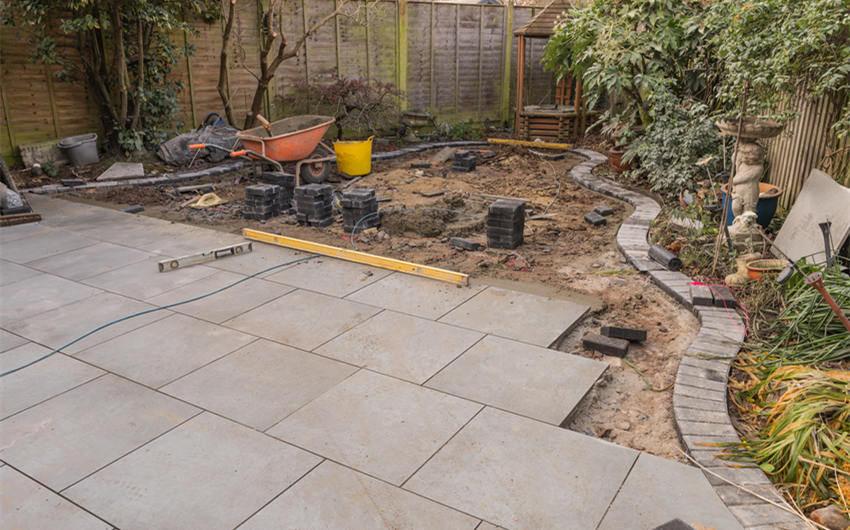
Patios, planting areas, or any other new surfaces should be the last thing planned. If you have uneven garden levelling issues, it creates a domino effect of destruction further down the line. Surface water ponds in low areas. Patios crack and sink into the ground. Stones lift on your driveway.
Not stuff you want to get fixed.
…and it’s not cheap to fix either.
Think of it this way: uneven garden levelling is the cornerstone of your entire project. Adding layers on top — decking, plants, gravel — won’t get away from the fact that if the base isn’t prepared correctly, nothing will perform as expected.
From artificial grass costs to patios and landscaping, if you’re adding hard surfaces to your garden, the ground needs to be level first. Avoiding this is the number one mistake garden renovators make.
Most common causes are:
- Waterlogging. Winters become saturated, shifting and lifting the soil and creating bumps on the lawn.
- Soil Settlement. Large rocks or debris cause patches of soil to slowly sink down.
- Animals digging holes and abandoning their spikey booty.
- Frost heave. Enter moisture freezing, expanding, and pushing soil upwards.
Issues are corrected based on size and severity. Gentle inclines can usually be flattened with additional topsoil. Steeper hills may require terracing with retaining walls or cutting/swapping topsoil. Anything more complex than basic lawn flattening should be outsourced.
Know What You’re Getting Into Before You Start Digging
Garden renovations aren’t just about cosmetics.
The aim is to make your outdoor space work better. Before spending money on anything else, figure out what’s wrong before you strip it all away.
Walk your garden when it’s pouring with rain. See where puddles congregate. Feel for soft ground. These visual queues will show you where poor drainage is at its worst and where you should focus before aesthetics are touched.
Ask yourself:
- Do I need to level the ground before laying surfaces?
- Is there evidence of waterlogging or pooling water?
- Will I need to clear existing landscaping first?
- What condition is the soil in right now?
Questions like these highlight not just the scale of work but the order jobs need to be tackled in. It all starts from the ground up, literally.
50% of homeowners completed projects in and around their garden in 2024. As demand continues to outstrip supply, expect limited availability from tradesmen once you kick off. Plan ahead!
Fixing Drainage – The Biggest Garden Problem You’re Ignoring
If something’s not done properly when you start, it will come back to haunt you. Drainage issues are the biggest renovation sin of them all.
Here’s the kicker…
Rainwater has to go somewhere. If you don’t give it clear instructions, it’ll take the path of least resistance — which is usually through your patio or into the foundations of your house. Bad drainage = waterlogged gardens, cracked patios, and migraines.
Solid drainage plans should incorporate:
- Gentle slopes to push water away from your home
- French Drains or perforated pipe in waterlogged areas
- Permeable surfaces to allow moisture to filter through
- Clear route for water to leave your garden safely
Saving money on drainage will cost you more in the long run. Cutting corners often means having to redo work. It’s always cheaper to get things right first time.
Never underestimate drainage jobs on gardens with clay soil. Clay holds onto water and compacts hard. When it rains, gravity does its thing and mushy clay slopes towards your home. Plan your garden renovation with a solid drainage plan from the start.
Choosing Materials – Don’t Get Focal Shamed!
You have ideas. Wait to choose them.
Picking surfaces and materials is like shopping for your dream home; everything looks good on paper until you start sniffing around at the practicalities.
Think about:
- How much traffic will this area get?
- Pets / children will destroy pretty rocks.
- How much maintenance are you willing to do?
- Natural stone looks beautiful but will need sealing every couple of years.
- Will your surfaces hinder or help drainage?
- Solid, impermeable surfaces create runoff issues.
- Gravel and permeable paving let water through.
- Synthetic grass is great for slowing water flow.
- How long do you expect everything to last?
- Buy cheap, buy twice. (bad surfacing on poor soil = rapid deterioration)
The budget doesn’t need to limit your choice of materials, it just informs it. There’s plenty of low maintenance surfaces that look great and will save your back in the long run. Don’t choose patios just because your favourite celebrity used them on Garden Ultimate Palace.
Budget Like You Mean It
Here is where most garden renovations spiral out of control.
Sit down and draw up a proper budget. Add everything you can think of that you’ll need to spend money on. Tools, trips to tip, hefty deposits. Then add 10–15% on top. That’s your contingency.
Unexpected discoveries are almost always going to happen. Old drains lurking underground, excess soil to shift and dispose of, or hidden rocks that make the job far more complex than expected. Use gloves.
Think your budget is too high? You’re probably right. But it’s always better to pay the guys who show up than not at all.
Garden renovations have an average ROI of 88%. That means they don’t quite pay for themselves. But that doesn’t factor in the enjoyment you get from evenings in the garden.
Order of operations:
- Level ground and do necessary landscaping
- Sort out drainage problems
- Work on hard landscaping
- Put down patios, decking, and pathings
- Add planting and fairy lights
Levels 1 and 2 are by far the most important. If you get them done correctly, you’ll save yourself money and heartache on everything moving forward.
Tie It All Together
Bear these things in mind before you begin.
Assess the garden and understand the scale of work needed before spending money. Water has to go somewhere, so plan for it. Work out your budget, add contingency. Sort your soil out and get laying!
Preparation is key to a successful renovation. Go in blind and your garden project has the potential to turn into a nightmare.
Go into it knowledgeable, though, and you’ve got yourself one of the best long-term investments you can make as a homeowner.