What Should You Consider Before Choosing Among The Best VPN Services?

With the number of VPN providers available, it is complicated to select the right one, as many of them claim to provide strong privacy, faster connection, and increased security. But you might still be wondering if your online activity will remain private, or if the VPN will gather your information. Additionally, it can be challenging to determine if a VPN is compatible with your devices, offers consistent speeds, and meets your needs at work and home.
Because of these concerns, it’s significant to know what’s important prior to paying for a service.
A good VPN should be capable of safeguarding your information, be suitable for your daily activities, and offer you functions that meet your needs. You need to understand how various VPN features can impact your experience before you decide.
This article lists the key considerations that you need to understand before signing up for a VPN service that will provide you with reliable security and long-term value.
1. Privacy Standards Behind the VPN Service
When you search for the best VPN services, privacy is one of the first things you should look at because a VPN handles your internet connection. You need to know what information a provider collects and whether your online activities are stored. A trustworthy VPN should have a clear no-logs policy that explains how your data is handled and protected.
However, a privacy policy alone is not enough. You should also look at how the VPN is built because strong privacy depends on the technology behind the service. Features such as RAM-only servers help prevent stored information from remaining on servers, which adds another layer of privacy protection.
Also, transparency helps you make a smarter choice. A VPN that shares details about audits, server design, and security practices allows you to understand how your information is protected. This gives you more confidence before trusting the service with your online activity.
2. Security Features for Safer Online Connections
After understanding privacy, you should look at the security features that protect your connection while using the internet. A VPN should use strong encryption to help keep your information safe from people who may try to access it. This becomes especially important when you connect through public Wi-Fi networks at airports, hotels, or cafes.
You should also pay attention to tools that improve your connection safety. Features like a kill switch can stop your internet access if the VPN connection drops, while DNS leak protection helps prevent your browsing requests from being exposed. These features help maintain protection even when unexpected issues happen.
Moreover, the VPN protocols available can affect both security and performance. Modern options such as WireGuard, OpenVPN, and IKEv2/IPsec provide secure ways to create encrypted connections for different types of users. Having multiple protocol choices can help users select a connection method that fits their needs while maintaining strong protection.
3. Device Support and User Management Options
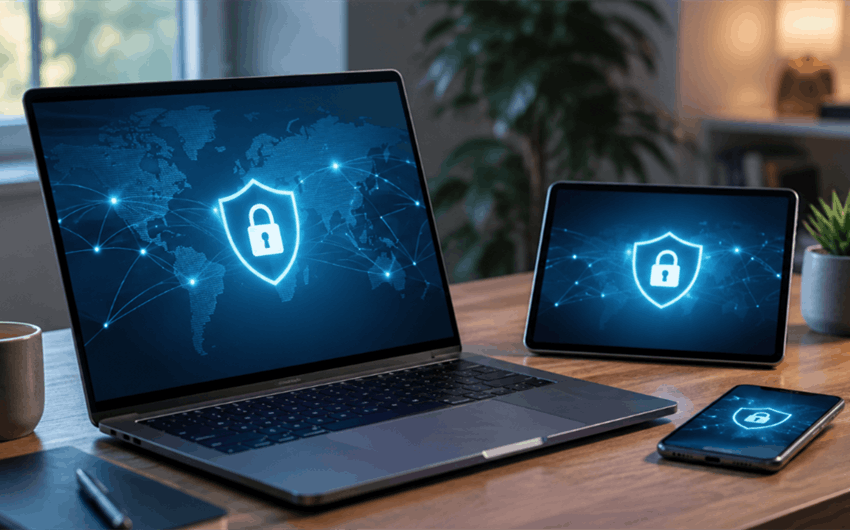
Your VPN should work with the devices you use every day, so checking platform support is an important step. Whether you browse from a laptop, smartphone, or tablet, the service should provide easy access across your preferred devices. This allows you to maintain privacy without changing your normal online habits.
For personal users, device flexibility makes managing online security much simpler. You may need protection for one device, several devices, or an entire household. A suitable VPN should offer plans that match how many people need access and allow each user to have a simple setup.
For teams, user management becomes even more important. Businesses often need tools that help administrators manage accounts, add members, and control access from one place. This makes it easier to provide secure connections without creating extra work. A simple management system also helps companies save time when adding new employees or adjusting user access.
4. VPN Speed, Server Performance, and Reliability
A VPN should protect your connection without making your daily online activities slow. Whether you are browsing websites, joining video meetings, transferring files, or watching content, connection speed plays an important role in your experience. A reliable VPN should balance strong protection with smooth performance.
Server performance also affects how well your VPN works. A service with well-managed servers and good connection options can help you maintain stable speeds while accessing the internet. This is useful when you travel or need to connect from different locations.
In addition, reliability matters because interruptions can affect both personal and professional tasks. Remote workers and businesses need dependable connections that remain available when they need them. A stable VPN experience helps you complete important tasks without frequent connection problems or unnecessary delays.
5. VPN Solutions for Personal and Business Needs
Before selecting a VPN, you should understand what type of protection you actually need. Personal users usually look for secure browsing, private internet access, and protection when using public networks. A device-based VPN protects the traffic coming from your own devices.
Businesses often have wider needs because they may need to connect employees, offices, cloud systems, or company networks. In these cases, a network-level VPN solution can provide encrypted connections between different locations instead of protecting only individual devices.
Understanding your purpose helps you avoid choosing a service that does not match your requirements. If you only need personal privacy, a user VPN may be enough. However, growing teams and organizations may need solutions that support secure network connections as their needs expand. Selecting the right type of VPN early can make management easier and reduce future changes.
6. Pricing Flexibility and Long-Term Scalability
Price is another factor you should review before choosing a VPN service. While a lower price may seem attractive, you should also consider what features you receive in return. A service should provide useful security tools, reliable performance, and enough flexibility to support your needs.
Your requirements may also change over time, so scalability matters. A person who starts with individual protection may later need coverage for family members. Similarly, a small company may need more users, better management tools, or additional network connections as it grows.
Therefore, look for a VPN service that can adapt with you instead of forcing you to switch later. Flexible plans and support for different use cases make it easier to continue using the same service as your personal or business needs develop. This approach can save time and effort while ensuring your VPN remains useful as your online requirements change.
Conclusion
Choosing a VPN is about finding the right balance between privacy, security, performance, and usability. Instead of focusing only on price or popularity, you should understand what features match your online activities.
A good VPN should make your internet experience safer while remaining simple to use. By reviewing these important factors, you can select a service that supports your needs today and continues to provide value in the future. Taking time to compare your options can help you make a better decision with confidence.