Why Sundays Belong to Football: Ritual, Routine and the Psychology of NFL Fandom

Sunday NFL watching is not just a hobby; it is a weekly ceremony that people build their weekends around. This article breaks down why that day feels “set apart” for fans—how ritual, routine, identity, community, and modern digital layers turn a slate of games into a psychological anchor with real emotional weight.
Team identity as extension of self
NFL fandom often works as an extension of personal identity. Many fans do not experience their team as a separate thing they observe; they experience it as part of who they are. So when the team wins, the fan feels a real surge of pride and vicarious achievement, like the outcome says something good about them and their tribe. When the team loses, the disappointment can feel personal and heavy, not because fans are irrational, but because the bond is identity-based. That is why Sundays carry stakes that feel bigger than the scoreboard.
Ritual and routine
Sunday football thrives on repetition, and repetition breeds meaning. The weekly schedule creates a familiar arc: pre-game build-up, kickoff, the long emotional ride, and the slow wind-down after the final whistle. Fans often mirror that arc with their own routines—watching in the same place, with the same people, ordering the same food, wearing the same colors, even repeating small superstitions. Those habits are not just cute traditions; they reinforce stability in a world that shifts constantly. A predictable Sunday gives people a reliable rhythm they can count on.
Community & social connection
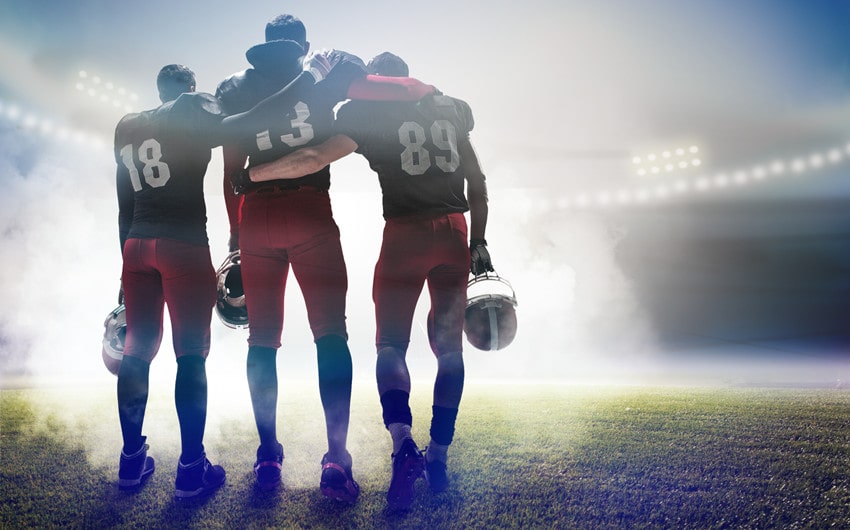
The NFL is a social sport even when you are on your couch. Sundays pull people into shared spaces—tailgates, watch-parties, family living rooms, group chats, and bar stools that feel like assigned seats. Being part of a fandom meets a basic human need for connection and helps reduce loneliness, because it gives people an instant in-group and a topic that matters to everyone in the room. The day becomes a standing appointment to belong somewhere, to laugh and argue and feel with others, no matter what the rest of the week looked like.
Digital & parasocial layers
Modern Sunday rituals don’t end at the TV—they spill into phones and feeds. Online communities, social timelines, fantasy leagues, and real-time commentary add a second arena that runs alongside the games, extending the ritual far beyond the living room. Many fans now start their Sunday by checking injuries, scrolling debates, setting fantasy rosters, and tracking NFL starting lineups so they feel ready for kickoff. These digital layers deepen involvement, create new micro-communities, and build parasocial bonds with players, turning Sunday into an all-day interactive experience.
Emotional roller-coaster
Sundays are powerful because they give emotions a weekly home. The NFL delivers highs and lows in a concentrated dose: the rush of a long touchdown, the dread of a late interception, the shared tension of a one-score game. Fans don’t just watch these moments—they ride them together, and the intensity makes the day memorable. That emotional swing is also a release valve. Football lets people feel excitement, frustration, hope, and heartbreak in a socially accepted setting, then reset for the coming week.
Cultural anchor
For many regions and demographics, Sunday football is bigger than sports—it’s a cultural clock. The day structures meals, errands, and social plans around game windows, giving the weekend a clear center of gravity. It feels like a shared holiday that arrives every week during the season, and that shared timing creates continuity across generations. Parents pass down teams and rituals to kids, friends sync their lives around the same slate, and whole communities move to the same beat. The result is a collective rhythm that makes Sunday feel like “our time.”
Active advocates
There’s a growing chorus of people who treat Sunday fandom as psychologically significant rather than trivial. Academic psychologists who study sport fandom, including specialists like Daniel Wann, highlight how team identification shapes emotions, behavior, and social well-being. Sports-culture commentators and fan-experience analysts also argue that rituals and emotional attachment aren’t side effects—they’re the core of why football matters. Their advocacy confirms what fans already know: Sundays work because they serve real human needs for identity, belonging, and emotional expression.
Public feeling
Most fans see Sunday NFL viewing as a positive ritual: a dependable anchor in hectic lives, a reliable moment for friends or family, and a built-in way to decompress emotionally. Still, the public conversation also recognizes downsides. Losses can feel draining, constant rituals can become tiring, subscriptions and travel can be expensive, and social pressure sometimes makes Sundays feel obligatory instead of joyful. For a small subset, intense fandom brings real stress or mood swings, showing that the same emotional engine that fuels joy can also carry weight if it isn’t balanced.
Media & marketing professionals leveraging the Sunday ritual
Sunday dominance is reinforced by the broader sports-media machine. Networks build entire programming blocks around the certainty of Sunday viewership, and advertisers invest heavily because they know fans reliably gather then. Pre-game shows, halftime features, and post-game wrap-ups stretch the ritual into a full-day event, while branded segments and promotions tie themselves to the weekly habit. This creates a feedback loop: Sunday feels sacred because the culture treats it as sacred, and the culture treats it as sacred because fans keep showing up.
At a deeper level, Sundays belong to football because they offer controlled uncertainty. Fans know exactly when the ritual happens and how the day flows, but they don’t know the outcome. That blend—predictable structure plus unpredictable results—is psychologically gripping. It gives people a safe arena to rehearse hope, resilience, and celebration on a weekly schedule. When the games end, many fans feel like they’ve lived a full emotional story, which helps close the weekend and walk into Monday with their identity affirmed, their community fed, and their emotional tank either refilled or at least honestly spent.