The Return of Spectacle: Why Digital Entertainment Looks Like Prime-Time TV

For a long time, the internet was a quiet, lonely place. We scrolled through static feeds, read text-heavy blogs, and occasionally watched a grainy video. But something changed recently. If you’ve spent any time online lately, you’ve probably noticed that the digital world has stopped trying to be an efficient library and started trying to be a Broadway theater. We are witnessing a massive pivot back toward “Big TV” energy—that high-gloss, high-stakes spectacle we thought died with the golden age of broadcast television.
The Death of the “Authentic” Lo-Fi Aesthetic
Remember when “authentic” meant a shaky camera and bad lighting? Those days are mostly gone. Today’s viewers are getting a bit bored with the bedroom-vlogger vibe. We want production value. We want lights, cameras, and a whole lot of action. Whether it’s a massive live-streamed event or a highly produced social media competition, the polish is the point.
It’s an interesting irony. Just as we all cut the cord to escape the rigidity of cable TV, the internet went and rebuilt it from the ground up—only it’s faster now, and there’s way more neon. We’ve traded the sitcom for the 24/7 “event.”
When the Screen Becomes a Stage
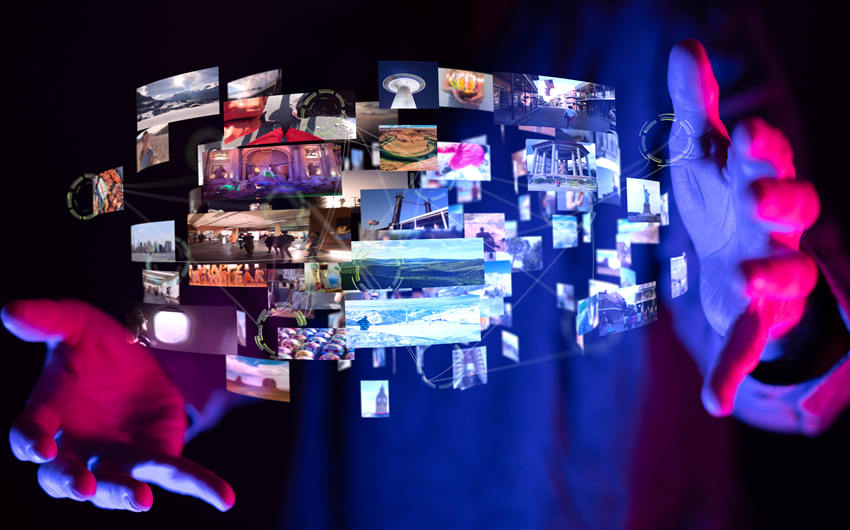
This shift isn’t just about better cameras; it’s about the psychological power of the “Show.” Humans have a built-in love for the theatrical, and digital platforms have finally figured out how to digitize that adrenaline. You see this everywhere in modern casino game shows. Those giant spinning wheels, oversized typography, and ticking countdowns echo the structure of classic broadcast hits. Platforms hosting structured online game shows have embraced studio-grade visuals and theatrical staging, proving that digital entertainment has finally rediscovered the old-school magic of showmanship. In an era of endless scrolling, spectacle cuts through—not by simplifying the screen, but by turning it into a stage.
It works because it feels communal. Even if you’re sitting there in your pajamas, that ticking clock and those neon-saturated colors make you feel like you’re part of a “live” audience. It’s a far cry from just staring at a pre-recorded video.
Why We Crave the Big Production
Maybe we’re just bored? Or maybe, in a world where everything feels fragmented, a big, loud, shiny spectacle is the only thing that can actually grab our collective attention for more than three seconds.
Think about the way major streamers now handle “live” moments. They aren’t just dumping files on a server anymore. They’re scheduling “premiere” events where you have to show up at a specific time or you’re out of the loop. It’s appointment viewing all over again. We’ve come full circle, haven’t we?
This “new” digital spectacle usually relies on three things to work:
- The Host: A charismatic personality who steers the ship.
- The Stakes: A sense that something—a prize, a win, or a revelation—is happening right this second.
- The Visual Language: High-contrast sets that look good on a smartphone but feel like a Hollywood backlot.
The Future is Bright (and Very Loud)
It’s hard to say if this trend will eventually wear us out. There is only so much “spectacle” a person can take before they want to retreat back into a quiet book or a silent park. But for now, it seems that the brighter and louder the digital experience, the more we lean in. We don’t just “use” the internet anymore; we want to be entertained by it.
What do you think about this shift? Do you miss the simpler, quieter days of the early web, or are you here for the glitz and the studio lights? Let us know in the comments if you think “digital spectacle” is the future or just a loud phase.