Why Retainers Are Essential After Invisalign: What Australian Orthodontists Recommend

If you’ve reached the end of your Invisalign journey, there’s a good chance you’re feeling pretty chuffed with your new smile — and rightly so. After months of trays, attachments, and the occasional moment of “Did I leave my aligners on the kitchen bench again?”, your teeth are finally where they’re meant to be. What many people don’t realise, though, is that this phase isn’t the finish line.
To keep everything in place, you still need the quiet, often-overlooked hero of orthodontics: the retainer. This is where learning more about retainers becomes incredibly important, especially if you want to protect the smile you’ve worked so hard for. A helpful place to start is by understanding your options through post-treatment retainer guidance, which many Australians rely on as part of their long-term dental routine.
Before diving into the finer details, it’s worth saying this upfront: finishing Invisalign doesn’t mean your teeth have stopped moving. They’re living things — attached to ligaments, surrounded by bone, responding to pressure — and without something to hold them in place, they will shift. This article breaks down why retainers matter, how long you need to wear them, and what Australian orthodontists recommend based on years of clinical experience.
What Happens After Invisalign Treatment?
Invisalign is brilliant at guiding teeth into better alignment. Throughout treatment, each aligner applies gentle, controlled pressure that gradually nudges your teeth into the right position. Many people notice improvements not just in how their smile looks, but also in their bite, comfort, and even oral hygiene.
But the moment those aligners come out for good, your teeth don’t just “freeze” in place. They sit in soft, newly remodelled bone, supported by periodontal ligaments that have a bit of a memory of their previous position. Because of this, teeth naturally attempt to drift back — something orthodontists refer to as “relapse.”
That’s where the retention phase comes in. Invisalign focuses on movement, while retainers focus on stability. The two phases are inseparable if you want long-term results.
Why Retainers Are Non-Negotiable After Invisalign
Even if you’ve always thought of your teeth as fairly predictable, they’re not. They’re surprisingly stubborn, especially when shifting back to where they came from. This is because the tissues that held them in their old positions don’t magically disappear once Invisalign has done its job. They need time to adapt, strengthen, and stabilise.
The Role of Retainers in Preventing Relapse
Relapse happens when teeth move back towards their original misaligned state. It doesn’t always happen dramatically; sometimes the changes are subtle — but even a millimetre here or there can affect your bite or the look of your smile. Retainers act as a firm reminder, keeping your teeth in their newly aligned positions while the surrounding tissues settle.
Scientific Support and Clinical Reasoning
Australian orthodontic guidelines are fairly unified on this point: retention is lifelong. The Australian Society of Orthodontists (ASO) has repeatedly emphasised that teeth will continue to shift throughout life due to natural ageing, pressure from daily chewing, and changes in facial structure. Their stance is reflected in public information campaigns such as those found on Orthodontics Australia, which often remind patients that long-term retention is essential.
Studies published through Australian dental research bodies, such as those referenced by Oral Health CRC (Melbourne Dental School), continually point to high relapse rates in patients who discontinue retainer wear too early. In short: retainers aren’t optional. They are part of the treatment.
How Long Do You Have to Wear a Retainer?
Most orthodontists in Australia agree on one simple rule: wear your retainer for life. That doesn’t mean full-time wear forever, but it does mean you’ll need to maintain a routine.
Here’s what the typical timeline looks like:
First 3–6 months
This is the most critical stage. Your orthodontist may recommend full-time wear (about 20–22 hours a day), removing your retainer only for eating, brushing, or drinking anything other than water.
Next 6–12 months
At this stage, night-time wear is usually enough. You’re essentially giving your teeth time to stabilise overnight while freeing yourself from daytime wear.
Lifelong
After the first year, most orthodontists suggest wearing your retainer a few nights per week — usually 3 to 5. It’s a small effort with big benefits, especially considering that adult teeth continue to shift with age.
“Forever” might feel like a lot, but so is paying for orthodontic treatment twice. Most people find that retainer wear becomes second nature before long.
Types of Retainers After Invisalign
The good news? There’s not just one way to keep your teeth in place. Australian orthodontists typically offer three main types of retainers, each with its own benefits depending on your lifestyle and preferences.
Vivera Retainers (Removable)
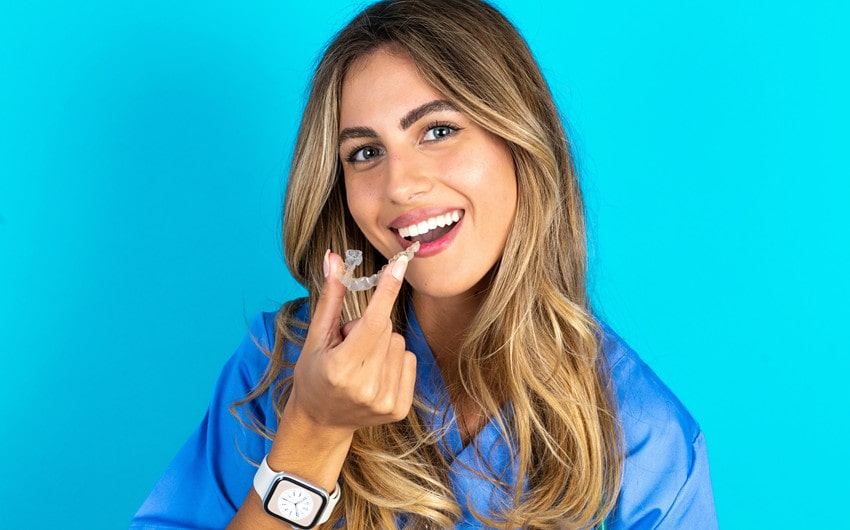
These are Invisalign’s own retainers, designed to follow the treatment with a similar clear-tray feel. They’re discreet, custom-made, and comfortable for night-time wear. They tend to hold their shape well and often come in sets, so you have replacements on hand.
Hawley Retainers (Acrylic & Wire)
The classic design — a combination of an acrylic plate and a thin metal arch wire. They’re durable, adjustable, and ideal for people who want something long-lasting. They’re not as invisible as clear retainers, but they are known to withstand daily wear and tear with ease.
Fixed Retainers (Bonded)
A thin wire bonded behind the front teeth, usually on the lower arch. Because they’re permanent, you can’t forget to wear them — but they do need careful daily cleaning. Regular dental check-ups are important to make sure they’re still intact.
Comparison of Retainer Types
| Retainer Type | Visibility | Maintenance | Comfort | Durability | Ideal Use Case |
| Clear (e.g., Vivera) | Nearly invisible | Easy | High | Moderate | Post-Invisalign night wear |
| Hawley (Wire) | Visible | Moderate | Moderate | High | Teens or those needing adjustability |
| Fixed Retainer | Invisible | High | High | High | Long-term alignment stability |
Australian Orthodontists’ Recommendations
Orthodontists around Australia are pretty aligned in their advice:
- Lifelong retention is now industry standard
- Night-time wear is the long-term expectation
- Annual check-ins allow early detection of wear or damage
- Compliance matters more than the retainer type
What the ASO Says
The ASO consistently encourages patients to treat retention with the same seriousness as active orthodontic treatment. They also publish public-friendly resources explaining why retainers matter, such as those found on Orthodontics Australia, which break down the science in a very approachable way.
Risks of Not Wearing a Retainer
Skipping your retainer isn’t just a minor hiccup. It can lead to:
- Noticeable tooth shifting
- Bite changes that affect chewing
- Strain on the jaw
- Cosmetic changes that impact confidence
- The need for new orthodontic treatment (and the associated cost)
Orthodontists often share stories of patients who return years later, convinced their teeth “moved on their own,” only to discover that inconsistent retainer wear is the culprit.
Practical Tips for Retainer Maintenance
Getting the most out of your retainer doesn’t require anything fancy — just a bit of consistency and a few sensible habits. The more care you put into it, the longer it will last (and the fewer surprises you’ll have later).
Clean Gently, Not Aggressively
One of the biggest misconceptions is that retainers should be scrubbed with toothpaste like your normal teeth. Unfortunately, toothpaste is far too abrasive and can scratch the surface, especially on clear trays. These scratches attract bacteria, making the retainer cloudy.
A better approach is using mild soap and cool water, or a retainer-safe cleaning product. The Australian Dental Association (ADA) offers public advice on safe cleaning practices which is a reliable reference if you’re ever unsure.
Avoid Heat at All Costs
Hot water, car dashboards in summer, dishwashers — these are the sworn enemies of retainers. Heat can warp them, leaving them misshapen and ineffective. Always rinse with cold or lukewarm water only.
Give Them a Proper Home
A ventilated retainer case is a must. Not a tissue, not your pocket, and definitely not floating loose in your bag with your keys. Retainers are surprisingly easy to lose or accidentally throw away (ask any orthodontist — they have endless stories about retainers meeting their fate in a napkin at a café).
Keep Pets Away
This one sounds like a joke until it happens. Dogs, in particular, love chewing on retainers — something about the smell. Store your case in somewhere high and secure place.
Replace When Needed
Clear retainers don’t last forever. Many orthodontists recommend replacing them every few years, partly for hygiene and partly because small changes in your teeth may require a fresh fit. Fixed retainers, on the other hand, need monitoring during routine dental check-ups to ensure they’re still bonded correctly.
Frequently Asked Questions About Retainers
Can I stop wearing my retainer after a few years?
Not if you want your teeth to stay in place. There’s no “safe” time where teeth stop shifting entirely. Even people who have never had orthodontic treatment experience natural movement as they age.
What if my retainer feels tight?
Tightness usually means your teeth have started to shift. Wearing it consistently for a few days often helps, but if the tightness is severe or painful, you’ll need to speak with your orthodontist.
Is it OK to skip a night?
One night isn’t the end of the world, but regular skipping leads to gradual relapse. Think of retainers like exercise — consistency matters more than perfection.
How often should I replace my retainer?
Clear retainers may last from 1 to 3 years, depending on how well they’re cared for. Hawley retainers tend to last longer, while fixed retainers can stay in place for many years with proper maintenance.
Can I use my old Invisalign trays instead of getting a retainer?
No. Invisalign trays weren’t designed for long-term retention. They wear out quickly and don’t provide the necessary stability once treatment ends.
Summary: Commit to Retention, Protect Your Smile
There’s no denying that Invisalign is an incredible tool for straightening teeth. But the treatment itself is only one part of the journey. Retainers are what keep your smile stable, symmetrical, and healthy in the long run. Without them, even the best results can unravel over time — and that’s the last thing anyone wants after months of dedication.
Australian orthodontists continue to emphasise lifelong retention because it works. It keeps teeth exactly where they need to be and saves you from the frustration (and expense) of correcting relapse later. Whether you’re wearing a clear tray at night or relying on a fixed retainer, the key is sticking to your routine and keeping up with your care.
Small habits today can help you enjoy your Invisalign results for decades. And if you’re ever unsure about your retainer schedule or whether it’s time for a replacement, a quick check-in with your orthodontist is all it takes to stay on track.