Deck Repair Checklist: Signs Your Deck Needs Professional Help

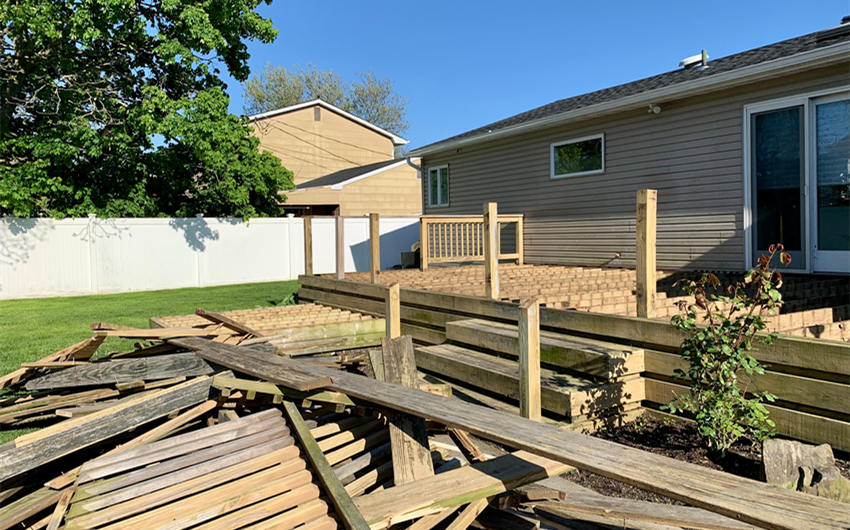
Maintaining a safe outdoor space requires more than an occasional power wash. When structural issues appear, hiring a professional deck repair contractor provides a clear assessment of your deck’s health. Identifying problems early protects your investment and prevents accidents during family gatherings. Small repairs often stop minor decay from turning into a complete rebuild.
Structural Warning Signs
The foundation of any deck relies on the integrity of the wood and the strength of the hardware. Moisture is the primary enemy of these components. Over time, water seeps into the wood fibers and creates an environment for fungus to grow. You can check the condition of your deck by looking for specific physical changes in the material.
Pay close attention to these common indicators of structural wear:
- Soft or spongy spots on the surface of the wood.
- Deep cracks that run parallel to the grain in support beams.
- Discoloration or dark stains near the base of support posts.
- Rusted joist hangers and corroded bolts.
- Visible gaps between the deck ledger board and the house wall.
Wood rot often starts at the joints where two pieces of lumber meet. You can test these areas by pressing a screwdriver into the wood. If the screwdriver tip sinks more than 1/4 to 1/2 inch into the wood with minimal effort, it indicates advanced internal rot. This type of decay spreads quickly and can compromise the entire frame if you leave it untreated.
Safety and Stability
Wobbly railings and bouncy stairs are more than just an annoyance. These issues indicate that the fasteners have loosened or the wood has started to pull away from the frame. Stairs handle a lot of weight and movement, which causes them to wear out faster than the flat deck surface. Check the stringers and treads for any signs of splitting or detachment.
Movement in the railing system often points to a failure at the connection points. Most safety codes require railings to withstand a specific amount of force. If the posts move when you lean on them, the bolts might be stripped, or the wood around them could be decaying. Tightening the bolts is a temporary fix, but structural reinforcement is often necessary for long-term safety.
Maintenance and Longevity
The condition of the deck surface reflects how well the wood handles the local climate. High UV exposure breaks down the lignin in the wood, which leads to graying and splintering. While some surface cracking is normal for older decks, large splits can trap water and accelerate internal rot.
Proper maintenance includes a regular schedule of cleaning and sealing to keep moisture out. You should also check the flashing where the deck meets your home. This metal or plastic barrier prevents water from rotting the rim joist of your house. Missing or compromised flashing is a critical failure. It allows water to bypass the exterior cladding, leading to hidden rot in the house’s rim joist — a repair that can cost thousands more than simple deck maintenance.
Addressing these signs early helps you maintain a beautiful and safe environment for years. Don’t wait for a structural failure to take action. Regular inspections allow you to catch small issues early, saving you money and ensuring your deck remains a safe retreat for your family.