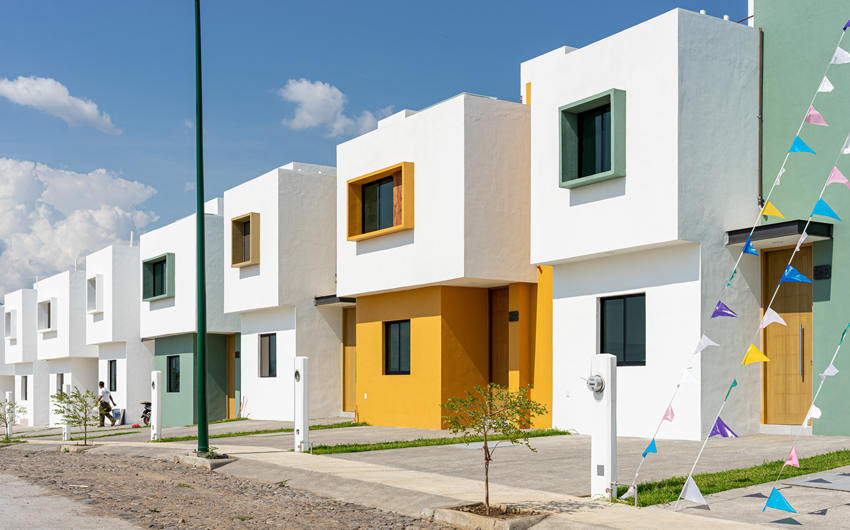
The Best Cities in Mexico to Buy a Home

Buying a home in Mexico sounds simple until the search gets specific. One city offers walkability and culture. Another offers lower density and newer housing stock. The right city depends less on a ranking and more on how you want to live, what kind of property you want, and how much complexity you are willing to manage after the purchase.
For many buyers, San Miguel real estate is the first thing that comes to mind, and for good reason. It has long attracted international buyers who want charm, strong design culture, and a city that still feels distinctly local. Still, it is only one of several strong options. Mexico offers very different home-buying environments, and the best match depends on whether you care most about climate, connectivity, rental potential, healthcare access, long-term livability, or day-to-day ease.
San Miguel De Allende Still Sets the Standard for Character
San Miguel de Allende remains one of the strongest choices for buyers who care about architecture, culture, and a sense of place. Its historic center, strong arts scene, and highly walkable core create a type of ownership experience that is hard to duplicate elsewhere. People do not usually buy here because it is the cheapest option. They buy because the city offers a rare mix of beauty, community, and lifestyle consistency.
This market tends to attract buyers seeking a home with design value for long-term personal use. It works especially well for people who enjoy daily walking, restaurant culture, galleries, events, and a more social style of living. The city also appeals to international buyers who want an established expat presence without losing access to Mexican culture and local identity.
The tradeoff is price and terrain. Prime areas are expensive by many Mexican standards, and some neighborhoods feature hills, cobblestones, and older infrastructure that may not suit every buyer. For the right person, those are part of the appeal. For others, they become daily friction. San Miguel is strongest when the buyer truly wants San Miguel, not simply “a nice city in Mexico.”
Mérida Offers Stability, Heat, and Everyday Ease
Mérida works well for buyers who care more about livability than spectacle. It has built a strong reputation for relative order, broad services, and a slower, more predictable pace of life. Buyers often like it because it feels manageable. Daily errands are straightforward. The street pattern is easier to read than in many older colonial cities. The market also offers a wide range of homes, from historic renovations to newer residential options.
This city often attracts families, retirees, and remote workers who want a more grounded full-time base. The local food culture is strong, the city has a clear civic identity, and the Yucatán location gives owners access to both urban services and regional travel options. It also tends to appeal to buyers who prefer function over constant tourism energy.
The tradeoff is climate. Mérida’s heat and humidity are not minor details. They shape daily life, utility use, outdoor habits, and even the way a home should be selected and maintained. Buyers who love warmth may settle in easily. Buyers who underestimate the climate may struggle with it faster than expected.
Querétaro Works Well for Buyers Who Want Practical Growth
Querétaro is often overlooked by buyers who start with beach towns or heritage cities, but it makes a strong case for itself as a home-buying market. It combines a historic center with modern infrastructure, business activity, and a growing reputation for orderly urban life. For buyers who want a city that feels more practical than romantic, this can be a major advantage.
This is one of the better choices for professionals, families, and buyers who want a primary residence rather than a lifestyle property. The city has enough scale to support modern housing developments, strong road connections, and a more contemporary daily rhythm. It also tends to attract people who want cleaner structure around schools, business travel, and long-term local services.
Its weakness, if it has one, is that it may not produce the instant emotional pull of a place like San Miguel or Puerto Vallarta. Querétaro is less about fantasy and more about function. For many buyers, that turns out to be exactly the point.
Puerto Vallarta Balances Lifestyle and Year-Round Appeal
Puerto Vallarta remains one of the strongest coastal cities for buyers who want both lifestyle and real urban use. It offers beach access, dining, healthcare, shopping, and a large enough year-round population for the city to function beyond vacation season. That matters. Some resort markets feel thin once the short-term visitor layer shifts. Vallarta has more everyday depth than that.
This city works well for second-home owners, retirees, and buyers interested in a market where personal use and rental appeal can coexist. There is enough variety in the surrounding areas to support different ownership styles, from highly walkable in-town living to quieter residential zones outside the busiest tourist pockets. Buyers also benefit from strong air connectivity and a long track record of international familiarity.
The caution here is pricing pressure in prime areas and the tendency for some buyers to focus too heavily on vacation mood. Vallarta can absolutely work as a long-term base, but the right neighborhood matters a lot. Buyers who separate “great for dinner” from “great for daily life” usually make smarter purchases.
Mexico City and Los Cabos Suit Very Different Buyers
Mexico City is a serious option for buyers who want culture, scale, and urban depth. It offers world-class dining, dense neighborhood variety, strong professional networks, and a housing market with very different entry points depending on the zone. This city works well for buyers who want a true metropolitan lifestyle and who understand that neighborhood choice matters more here than in almost any other Mexican market.
Los Cabos sits at the other end of the spectrum. It is highly desirable, highly visible, and often highly priced. Buyers here are usually looking for premium coastal living, a second home, or a property that fits a luxury leisure model. The setting is dramatic, and the lifestyle appeal is obvious. It is also a market where buyers need to be especially clear about maintenance costs, service expectations, and ownership structure before moving forward.
Put simply, Mexico City rewards buyers who want daily urban intensity. Los Cabos rewards buyers who want destination-level coastal living and can realistically budget for it. Neither is a universal answer, but both can be excellent in the right hands.
The Best City Is Usually the One That Fits Your Real Life
The smartest buyers do not ask only which city is most famous or most beautiful. They ask where they will feel comfortable handling everyday life. They ask how often they will be in the home, what kind of neighborhood pattern suits them, and how much dependence they want on tourism cycles or second-home infrastructure.
That is why some buyers end up happiest in San Miguel de Allende, while others feel more settled in Mérida, more efficient in Querétaro, or more fulfilled in Puerto Vallarta. A city that looks perfect for one buyer can feel exhausting to another. The right answer is usually the one that still makes sense after the romance of the search wears off.
Before buying, spend time in the city as if you already lived there. Test the grocery run, the traffic, the walking conditions, the healthcare access, the heat, the noise, and the neighborhood after dark. A good home can fix a lot. It cannot fix a city that does not fit the life you actually want.
Source basis used for this article: Mexico officially promotes San Miguel de Allende, Mérida, Mexico City, Puerto Vallarta, Los Cabos, and Querétaro among its major destinations, with San Miguel de Allende and Querétaro noted for UNESCO-recognized historic value and Puerto Vallarta and Los Cabos highlighted as major coastal destinations. Mexico’s consular guidance also confirms that foreigners may own property in Mexico, with additional rules in coastal and border restricted zones.