How Above-Ground Pool Pump Care Prevents Costly Repairs

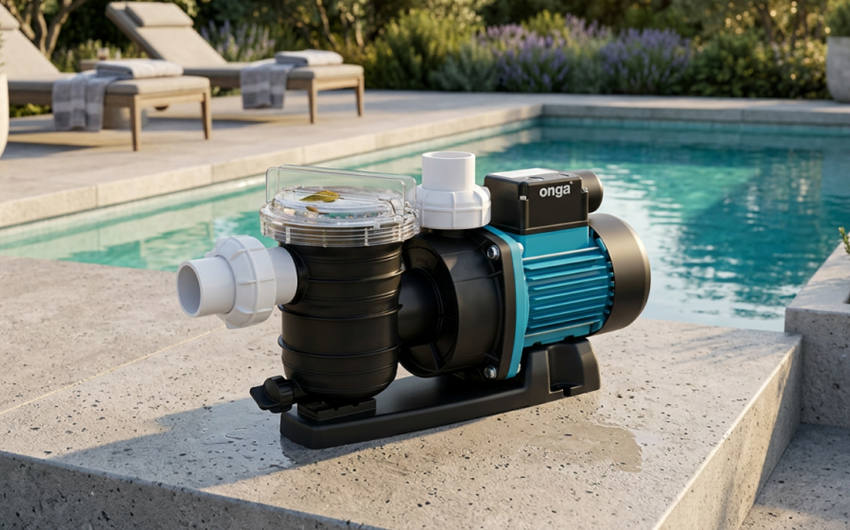
An above-ground pool can transform an outdoor space into a refreshing and enjoyable retreat, especially during warmer months when families spend more time outside. While the pool itself often becomes the centrepiece of relaxation and entertainment, the pump system quietly works behind the scenes to keep the water clean, balanced, and safe for swimming. Without regular maintenance, however, even the most reliable pump can develop issues that lead to expensive repairs and unnecessary stress. Proper care for above-ground swimming pool pumps not only improves performance but also helps extend the life of the entire filtration system.
Why Pool Pump Maintenance Matters
The pool pump is responsible for circulating water through the filtration system, helping remove debris, bacteria, and contaminants that can affect water quality. When the pump operates efficiently, the pool remains cleaner and requires fewer chemical adjustments. If the pump becomes clogged, damaged, or neglected, the system has to work harder, increasing energy use and creating unnecessary wear on components.
Consistent maintenance contributes to a quieter and more efficient system. Strange noises, inconsistent water flow, or rising electricity costs are often signs that the pump is struggling to perform properly. Addressing these warning signs early can prevent further complications and save significant money in the long term.
Tips for Maintaining Above-Ground Pool Pumps to Avoid Expensive Repairs
Keeping the Pump Basket Clean
One of the simplest yet most important maintenance tasks involves cleaning the pump basket regularly. Leaves, dirt, insects, and other debris can quickly collect inside the basket, restricting water flow and placing extra pressure on the motor.
Pool owners should also check for cracks or damage inside the basket. Even small breaks can allow debris to pass through and potentially damage the impeller. Replacing a damaged basket early is far more affordable than repairing internal pump parts later.
Monitoring Water Levels
Maintaining the correct pool water level plays a critical role in protecting the pump system. If the water level drops too low, the pump may begin drawing in air instead of water. This process, commonly known as running dry, can seriously damage seals and internal components.
On the other hand, excessively high water levels may affect skimmer efficiency and reduce proper circulation. Keeping the water balanced allows the pump to function consistently without unnecessary stress.
Inspecting for Leaks and Cracks
Small leaks are often overlooked because they may not seem urgent at first. However, even minor leaks can gradually affect pump performance and lead to larger structural problems within the system.
Inspecting the system regularly for visible cracks, damp areas, or loose connections helps identify issues before they become expensive repairs. Tightening fittings and replacing worn seals promptly can significantly extend the life of the pump.
Cleaning and Maintaining the Filter
The filter and pump work together to maintain clean pool water. When the filter becomes dirty or clogged, the pump must operate under increased pressure to push water through the system.
This additional strain often causes higher energy consumption and premature wear on the motor. Cleaning the filter according to manufacturer recommendations supports smoother circulation and improves overall efficiency.
Paying Attention to Unusual Noises
A properly functioning pool pump should operate with a steady and relatively consistent sound. Grinding, rattling, screeching, or humming noises often indicate that something is wrong within the system.
These sounds may result from worn bearings, trapped debris, loose components, or motor problems. Ignoring unusual noises can allow the damage to worsen over time, eventually leading to complete pump failure.
Scheduling Routine Professional Inspections
Even with regular home maintenance, professional inspections remain valuable for identifying issues that may not be immediately visible. Experienced technicians can assess motor performance, inspect electrical connections, and detect early signs of wear before major repairs become necessary.
Working with a qualified pool builder in Bendigo can also provide system upgrades, energy-efficient equipment, and maintenance strategies that improve long-term performance.
Understanding the Cost Benefits of Preventive Care
Many costly pool repairs develop gradually due to neglected maintenance rather than sudden equipment failure. A blocked filter, leaking seal, or overheated motor may start as a minor issue but can quickly escalate if ignored.
Preventative care reduces the likelihood of emergency repairs, extends equipment lifespan, and improves energy efficiency. It also helps maintain healthier water conditions, reducing the need for excessive chemical treatments and cleaning expenses.
Investing time in regular inspections and maintenance ultimately protects the entire pool system. Simple habits performed consistently throughout the year can save substantial money while ensuring the pool remains safe, clean, and enjoyable for everyone.
Final Thoughts
Proper above-ground pool pump care is one of the most effective ways to prevent expensive repairs and maintain long-term system performance. Regular cleaning, filter maintenance, leak inspections, and professional servicing all contribute to a more efficient and reliable pool setup. A well-maintained pump not only protects the pool investment but also supports a more relaxing and functional outdoor environment for family and guests alike.
Frequently Asked Questions
How often should an above-ground pool pump be maintained?
Routine maintenance should be carried out at least once a week during peak swimming periods. A more thorough inspection of the full system should be done monthly to maintain consistent performance.
What are the most common signs of a failing pool pump?
Common warning signs include unusual noises such as grinding or rattling, reduced water circulation, air bubbles in the pool, and rising electricity usage.
Can regular cleaning really prevent expensive repairs?
Consistent cleaning plays a major role in preventing costly repairs. Removing debris from the pump basket, keeping the filter clean, and checking for leaks reduces stress on the motor and internal components.
Is it necessary to hire a professional for pump maintenance?
While basic maintenance tasks can be handled regularly, professional inspections are important for detecting hidden issues.
How does the water level affect pump performance?
Incorrect water levels can significantly impact pump efficiency. Low water levels may cause the pump to run dry and damage internal parts, while overly high levels can reduce proper circulation.