How Lane Splitting Affects Liability in Motorcycle Collision Cases

Lane splitting is one of the most misunderstood moves a motorcyclist can make.
Seems safe. Filter past two lines of slow-moving traffic, avoid the congestion, get home quicker. But insert yourself between vehicles when a crash occurs… perspectives shift. Now it’s not “how can we prevent it?” but “who’s paying for it?”.
With a clear understanding of lane splitting and liability you can:
- Know your real legal position after a crash
- See how fault gets divided
- Understand what evidence actually matters
Here is how it all works…
What’s coming up:
- What Lane Splitting Actually Is
- The Legal Landscape (And Why It’s Messy)
- How Liability Gets Decided
- Evidence That Can Turn a Case Around
What Lane Splitting Actually Is
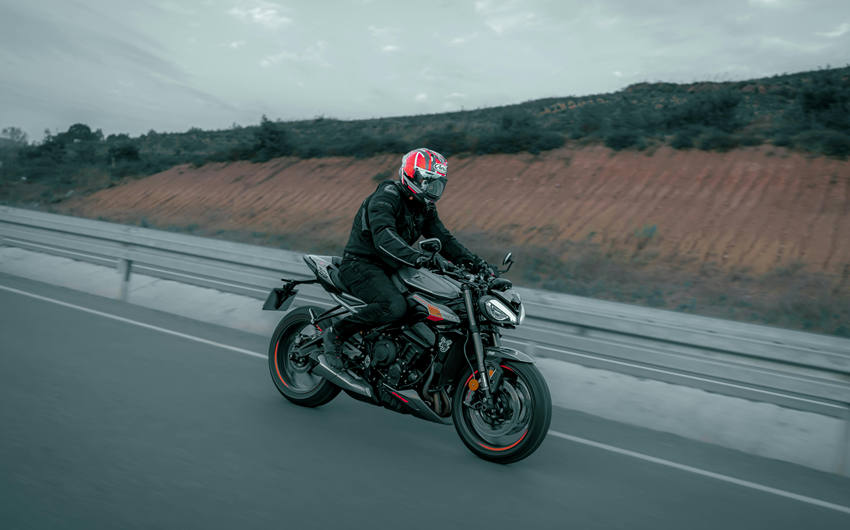
Lane splitting occurs when a motorcycle operates between two lanes of stopped or slowly moving traffic rather than in a single lane.
Some refer to it as lane filtering. Some call it white-lining. Regardless of what you call it, the end-result is identical: the motorcycle is going somewhere, while the traffic around it isn’t.
Riders do it for a few reasons:
- Avoid rear-end collisions: If you’re stopped at a light, the motorcycle is a sitting target. Splitting moves you out of the line of fire.
- Saving time: Traffic is brutal. Splitting cuts commute times.
- Engine heat: Idle in bumper-to-bumper traffic on a warm day and you can fry an air cooled engine.
Sounds reasonable, right?
The issue. In states other than California, few have established law regarding this matter. Therefore when something goes wrong…the rider tends to automatically be at fault.
The Legal Landscape (And Why It’s Messy)
Let’s be honest — lane splitting laws are all over the place.
Only California explicitly allows it. Some others (Utah, Arizona) permit “lane filtering” under certain circumstances — typically only at low speeds and when traffic is stationary. Elsewhere? Illegal or in legal limbo.
Arkansas is not among the states that have a statute containing the magic words “lane splitting.” However, Arkansas Code Annotated § 27-51-302, which regulates driving on marked lanes of traffic, specifically prohibits driving a motorcycle “between lines of traffic or between rows of vehicles.” Therefore, lane splitting is illegal even without the magic words.
Why does this matter for liability?
If you were violating the law when the crash occurred (such as driving without a valid license), the other driver’s insurance company will hold this against you. They will claim you caused the accident merely by being on the road illegally. A competent Conway motorcycle accident lawyer — the type of premises liability lawyer who works on these injury claims day in and day out — understands how to fight back. Because violating a traffic law does not automatically make you completely responsible for the accident. Far from it.
How Liability Gets Decided
This is where most riders get confused. So let’s break it down…
Determining liability in a lane splitting accident is really about one issue — comparative fault. Comparative fault assigns liability based on degree of fault for the accident.
Lane splitting is still subject to comparative fault rules even in states where lane splitting is illegal. If you are found 30% responsible because you were lane splitting, you may recover 70% of your damages from the negligent driver.
That’s huge. Because that changes the question from “was the rider lane splitting?” to what question…
What did the car driver do wrong?
If the driver was:
- Texting or distracted
- Changing lanes without signalling
- Drunk or impaired
- Running a red light
- Failing to check their blind spot
…they share blame. Often most of the blame. Because they were negligent which lead to the collision itself, not the lane splitting.
The Speed Factor
This is something most people aren’t aware of. How fast a rider lane splits makes a HUGE difference. Research has found that motorcyclists traveling at the speed of traffic around them while lane splitting aren’t at increased risk of an accident, however risk does increase when they travel 10 mph faster than traffic.
Therefore a rider filtering between lanes at speeds just 5 mph above traffic is very much in a different legal situation to one weaving through traffic at 40mph.
Insurance adjusters know this. Courts know this. It directly affects how fault gets divided.
The Other Driver’s Behaviour
The vast majority of lane splitting accidents occur when a driver changes position unexpectedly without checking for motorcycles. Visualize this:
- Unsafe lane changes
- Opening a car door into traffic
- Cutting in front of stopped vehicles
In that case, the driver is responsible — even if the rider wasn’t technically supposed to be there.
It’s also a systemic issue. In 2023, 6,335 motorcyclists were killed in crashes – the most ever and 26% higher than in 2019. The majority of multi-vehicle motorcycle crashes are caused by drivers failing to see motorcycles.
Evidence That Can Turn a Case Around
Let me explain. Your explanation of what happened after a lane split collision only goes as far as the evidence will support.
The single most valuable thing to do is document evidence at the scene — as long as you’re physically capable. If not, have someone do it for you (a passenger, witness, first responder).
Evidence that matters most:
- Photos: Position of both vehicles, skid marks, damage, traffic conditions.
- Witness contact info: Those who witnessed the wreck vanish quickly. Obtain names and numbers prior to departure.
- Dashcam or helmet cam video: If you have this, save it now. Do not overwrite the file.
- Traffic camera video: Lots of intersections are equipped with cameras. An attorney can subpoena footage prior to it being erased.
- Police report: Always file one. The officer’s notes carry weight with insurance companies.
(There’s that “build the case from day one” mindset in action.)
OK last thing… medical records. Get checked out even if you feel ok. Adrenaline covers up injuries. Also if you wait 2 weeks to see a doctor they will say you weren’t injured.
Final Thoughts
Lane-splitting accidents are messy. They involve murky legal gray areas surrounding state law, comparative fault, and driver conduct.
But remember, just because a rider finds themselves on a motorcycle sandwiched between two lines of traffic doesn’t mean the battle is lost. It only means you will have to fight smarter. To recap:
- Lane splitting laws vary wildly from state to state
- Comparative fault means partial fault still allows partial recovery
- The other driver’s negligence almost always plays a role
- Evidence collected at the scene can change the outcome
- A premises liability lawyer with motorcycle experience knows how to push back
Riders are dealt a bad hand. But with proper play — and proof — you can beat the system.