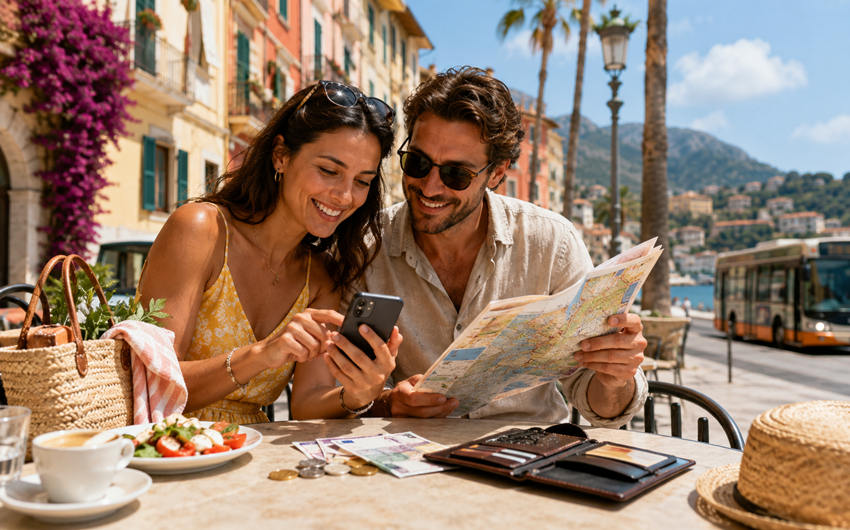
How to Make Your Travel Money Go Further on Holiday

Making every pound count is a top priority for British holidaymakers in the current economic climate. While we all look forward to that first sundowner or a local seafood feast, the cost of international travel can quickly spiral if you aren’t savvy with your finances.
By focusing on smart planning and making informed choices about how you carry your cash, you can ensure your holiday budget stretches much further.
Plan Ahead and Buy Currency Before You Travel
One of the most common mistakes travellers make is leaving their currency needs until they reach the departure lounge. Airport bureaux de change are notorious for offering some of the poorest exchange rates and highest commission fees, as they capitalise on last-minute convenience.
Instead, treating your travel money exchange as a priority task a few weeks before departure can save you a significant sum. Planning allows you to monitor the market and lock in a rate when it’s favourable. Being proactive ensures you start your trip with more local currency in your pocket and fewer fees at the airport.
Compare Exchange Rates and Shop Around
It’s a common misconception that all currency providers offer roughly the same deal. In reality, the spread (the difference between the rate the provider buys at and the rate they sell to you) varies wildly between banks and specialist brokers.
Don’t just look at the headline exchange rate when shopping around; check for hidden commissions or handling fees. Use online comparison tools to find the best overall value.
Remember that what might look like a “commission-free” deal often hides a much poorer exchange rate to compensate. You can ensure you aren’t losing out on that extra holiday excursion or a better bottle of wine by checking multiple options.
Use the Right Payment Methods Abroad
The way you pay for things on the ground can have a huge impact on your total spend. While carrying some cash is essential for tips and small local markets, relying solely on a standard high-street bank debit card can be an expensive mistake due to foreign transaction fees – often around 3% per purchase.
Consider using a specialist travel credit or debit card that offers fee-free spending abroad. Whenever a card machine or ATM asks if you want to pay in “Pounds” or the “Local Currency,” always choose the local currency. It avoids dynamic currency conversion (DCC), a practice in which the foreign bank chooses the exchange rate, which is almost always significantly worse than the rate your own bank would provide.
Stay Aware of Exchange Rate Changes and Budget Wisely
Exchange rates are constantly in flux, influenced by global events and shifting economic conditions. If the Pound is particularly strong, it might be worth buying your holiday cash early to lock in that value. Conversely, if rates are volatile, some travellers prefer to buy half their currency in advance and use a fee-free card for the rest to “average out” the cost.
Tie your currency strategy into a firm daily budget. It’s all too easy to lose track of spending when dealing with new currency in a foreign language. By knowing exactly what your money is worth before you land, you can enjoy your holiday without the dread of a bank statement waiting for you on your return to the UK.