Why Spain Should Be Your Next Travel Destination: Culture, Coast, and Countryside

Spain has always held a special place in the hearts of travelers. From sun-drenched Mediterranean coastlines to vibrant cities pulsing with history, this country offers something for everyone. Whether you’re drawn to flamenco rhythms in Andalusia, Gothic architecture in Barcelona, or pintxos bars in San Sebastián, Spain delivers experiences that linger long after you’ve returned home. For those ready to explore this diverse nation, trips to Spain provide an excellent way to immerse yourself in everything the country has to offer.
What makes Spain particularly appealing is its remarkable diversity packed into one country. You can ski in the Pyrenees in the morning and swim in the Mediterranean by afternoon. You can wander through Moorish palaces that transport you to another era, then enjoy cutting-edge cuisine that’s redefining European gastronomy. Spain doesn’t just offer variety—it offers depth. Each region maintains its own identity, traditions, and even languages, making repeat visits endlessly rewarding.
The Regional Diversity That Defines Spanish Travel
One of Spain’s greatest strengths as a destination is how different each region feels. Catalonia in the northeast showcases Barcelona’s modernist architecture and a distinct cultural identity. The Basque Country offers lush green landscapes, world-class food, and a language unrelated to any other on Earth. Andalusia in the south presents the quintessential Spanish imagery many travelers imagine: whitewashed villages, olive groves stretching to the horizon, and the legacy of Moorish civilization.
Galicia in the northwest feels almost Celtic, with misty coastlines and bagpipe music. Valencia combines beach culture with futuristic architecture and the birthplace of paella. The Balearic and Canary Islands each have their own character, from Ibiza’s nightlife to Tenerife’s volcanic landscapes. This regional variety means you can visit Spain multiple times and have completely different experiences each trip.
Central Spain, anchored by Madrid, offers its own appeal. The capital pulses with energy, world-class museums like the Prado, and a nightlife that starts when most cities are going to sleep. Nearby, ancient cities like Toledo and Segovia provide day trip opportunities that feel like stepping into medieval Europe. The wine regions of Rioja and Ribera del Duero attract oenophiles seeking exceptional tempranillo in stunning settings.
Cultural Experiences You Won’t Find Anywhere Else
Spanish culture extends far beyond stereotypes of bullfighting and siestas. The country’s artistic heritage runs deep, from Velázquez and Goya to Picasso, Dalí, and Miró. You can trace this legacy through countless museums, but also through streets decorated with Gaudí’s whimsical designs or towns where Picasso’s childhood home stands preserved.
Festivals bring Spanish culture to life in ways museums cannot. La Tomatina in Buñol involves thousands of people in a massive tomato fight. Las Fallas in Valencia features enormous satirical sculptures burned in spectacular fashion. Semana Santa (Holy Week) processions, particularly in Seville, combine religious devotion with artistic pageantry that dates back centuries. These events aren’t performed for tourists—they’re living traditions that locals anticipate all year.
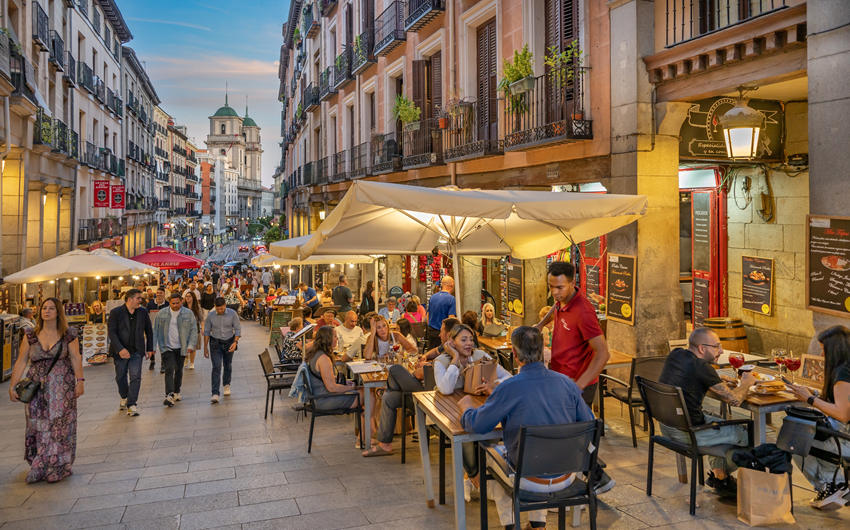
Food culture in Spain deserves its own discussion. The Spanish approach to eating emphasizes quality ingredients, social connection, and taking time to enjoy meals. Tapas culture encourages sampling multiple dishes while standing at a bar, chatting with friends and strangers alike. Regional specialties like Valencian paella, Galician octopus, Basque cheesecake, and Catalan calcots (grilled spring onions) showcase how seriously each area takes its culinary identity. Markets like La Boqueria in Barcelona or Mercado de San Miguel in Madrid become attractions themselves, bursting with produce, seafood, jamón ibérico, and artisan products.
Practical Considerations for Planning Your Spanish Adventure
Spain’s infrastructure makes it relatively easy to navigate. High-speed AVE trains connect major cities efficiently, turning what used to be full-day journeys into comfortable two-hour rides. Domestic flights are affordable and frequent for longer distances. Renting a car opens up countryside and coastal areas that public transport doesn’t reach as easily, particularly in regions like Andalusia or along the northern coast.
Accommodation options range from budget hostels to luxury paradores (historic buildings converted into hotels). Staying in a parador lets you sleep in a former monastery, castle, or palace while enjoying modern amenities. Alternatively, rural casa rural properties offer authentic experiences in villages and countryside settings where you’ll interact with local families.
Timing matters when visiting Spain. Summer brings heat, particularly in southern and central regions where temperatures can exceed 40°C (104°F). Coastal areas remain pleasant, but expect crowds at popular beaches. Spring and fall offer ideal conditions: comfortable temperatures, fewer tourists, and festivals throughout the country. Winter can be surprisingly cold in central and northern Spain, but it’s perfect for avoiding crowds at major sites and enjoying seasonal foods like wild mushrooms and game.
Language poses minimal challenges. While Spanish (Castilian) is understood everywhere, remember that Catalan, Basque, and Galician are official languages in their respective regions. English is widely spoken in tourist areas, hotels, and restaurants, though learning basic Spanish phrases enhances interactions and shows respect for local culture. Spaniards generally appreciate any attempt to speak their language, even if your grammar isn’t perfect.
Making the Most of Your Time in Spain
Spain rewards both planned itineraries and spontaneous exploration. First-time visitors often focus on the “big three” cities—Madrid, Barcelona, and Seville—which provide excellent introductions to different aspects of Spanish culture. However, venturing beyond these hubs reveals Spain’s true character. Small towns in Extremadura, coastal villages in Asturias, or mountain pueblos in the Pyrenees offer authentic experiences without tourist crowds.
Don’t overschhedule your days. Spain operates on a different rhythm than many countries. Lunch happens between 2-4 PM, dinner rarely starts before 9 PM, and many shops close for siesta hours in smaller towns. Adapt to this pace rather than fighting it. Some of the best travel moments come from unplanned afternoons spent in a plaza, evening paseos (strolls) along a promenade, or conversations over wine that stretch until midnight.
Regional dishes deserve attention and appetite. Resist the temptation to eat the same foods everywhere. Try cocido madrileño (a hearty chickpea stew) in Madrid, fabada (bean stew) in Asturias, or migas (fried breadcrumbs with meat) in Extremadura. Seek out local specialties rather than defaulting to paella or tapas at every meal. Markets, family-run restaurants, and bars frequented by locals generally offer better food experiences than tourist-oriented establishments near major attractions.
Bringing Spain Home With You
Spain changes travelers in subtle ways. You might find yourself lingering over meals rather than rushing through them. You’ll notice the appeal of late dinners and extended conversations. The Spanish concept of sobremesa—the time spent at the table after eating, simply talking—becomes something you miss when it’s not part of your routine.
Beyond these intangibles, Spain offers countless memories: watching sunset from Park Güell, tasting wine in underground bodegas, hearing flamenco guitar in an intimate tablao, walking Roman aqueducts, swimming in hidden coves, or simply getting lost in medieval quarter streets where every turn reveals another photogenic corner. These experiences accumulate into something greater than the sum of individual moments—they become a connection to a place that invites you back repeatedly, always with more to discover.
Spain isn’t a destination you check off a list. It’s a country that reveals itself slowly, rewarding curiosity and openness. Whether you spend a week or a month, visit once or annually, Spain offers depth, diversity, and warmth that few destinations match.